
Silicone Hip Pads for Crossdressers: Complete Size and Wear Guide
Quick Answer
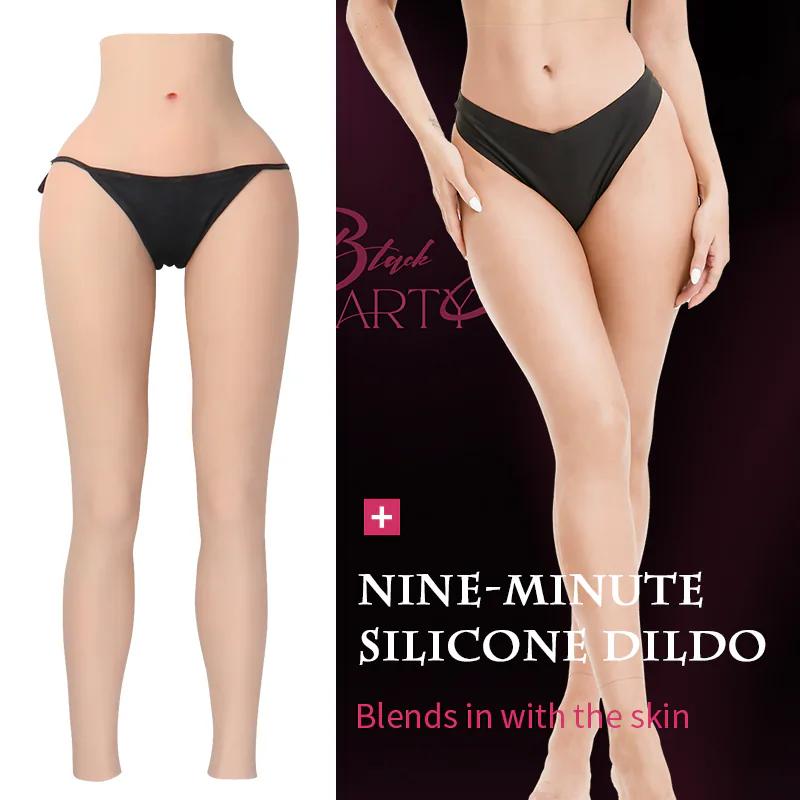
Measure your natural hip circumference and waist-to-hip ratio first. Choose half-length silicone hip pants if you want a smoother waist-to-thigh transition; choose side-only pads only when your outfit is loose enough to hide the edges.
- Measure hips at the widest point, then measure your waist; the difference tells you how much curve you are adding.
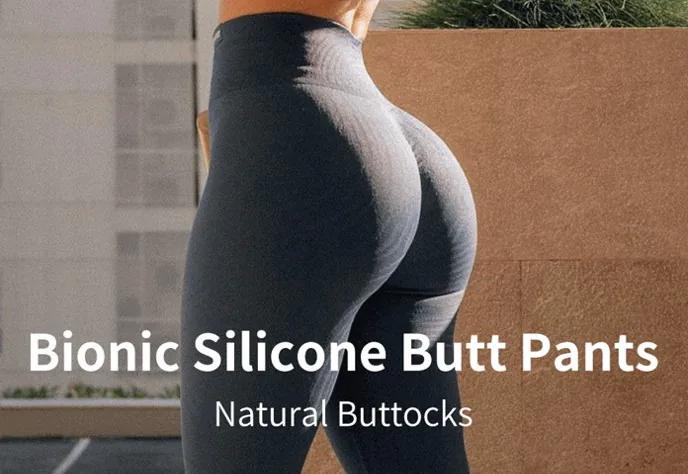
- Half-length silicone hip pants cover the waist, hips, and upper thighs, so they are easier to hide under fitted skirts and dresses.
- Wear hip pads over a snug base layer, such as seamless shapewear shorts, to reduce shifting during movement.
- Check the side edge and thigh line in motion before going out; walking and sitting reveal more than standing still.
The guide below covers measuring, hip pad styles, outfit matching, edge control, care, and the most common first-time mistakes.
Silicone hip pads are one of the fastest ways to make a breastplate, dress or everyday outfit look more balanced. The important part is not choosing the biggest curve. It is choosing the amount of hip shape your waist, shoulders, clothes and comfort level can actually carry.
Choose the hip pad style by outfit
| Outfit or goal | Best style | Why it works |
|---|---|---|
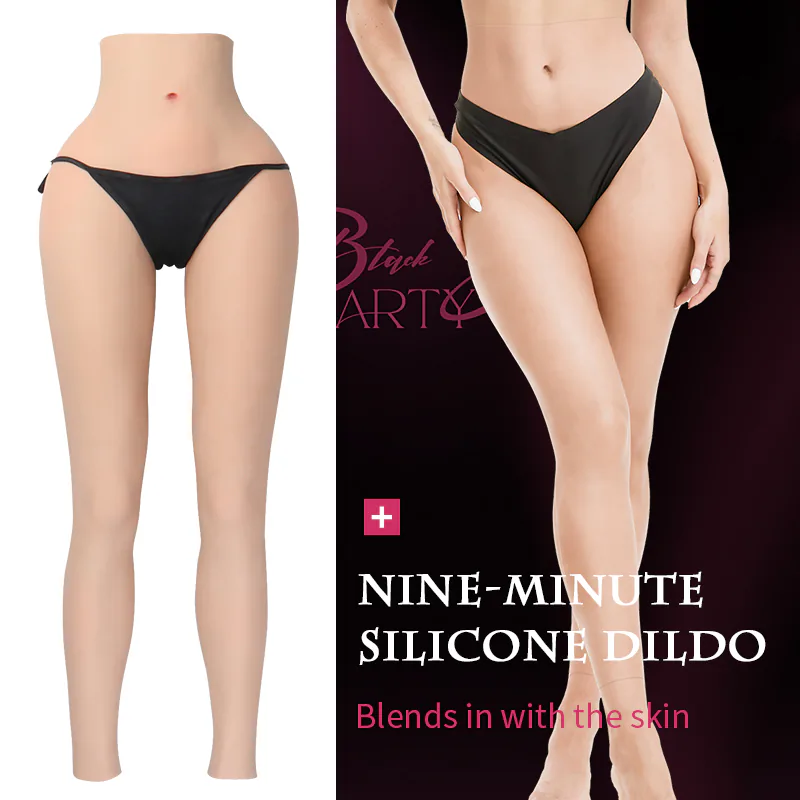
| Bodycon dress or pencil skirt | Half-length silicone hip pants | The longer thigh panel reduces the abrupt pad edge under tight fabric. |
| A-line skirt or flared skirt | Half-length pants or side inserts | The skirt shape naturally hides side edges while showing the curve. |
| Leggings or stretch jeans | Moderate-curve half-length pants | A smoother transition is safer than a large side-only pad. |
| Loose trousers or casual practice | Side inserts or lighter padding | Less coverage can feel cooler when the fabric is forgiving. |
| Photos, stage or full transformation | Silicone hip pants plus breastplate | Balancing bust and hips makes the whole silhouette read more naturally. |
Start with measurements, not dress size
Dress size is a poor way to choose hip pads because male and feminine clothing patterns are built around different waist and hip ratios. Measure your waist first, then measure around the widest point of your natural hips. The difference between the two tells you how much curve you are adding.
If your waist and hip measurements are close, a moderate silicone hip enhancer can make the biggest visual difference. If you already have some natural hip curve, choose a softer addition so the result looks proportional instead of costume-like.
Why half-length silicone hip pants are easier for beginners
Most first-time buyers worry about one thing: will the edge show? Half-length silicone pants solve that better than small loose pads because the silicone continues down toward the upper thigh. That longer transition is easier to hide under skirts, dresses and stretch jeans.
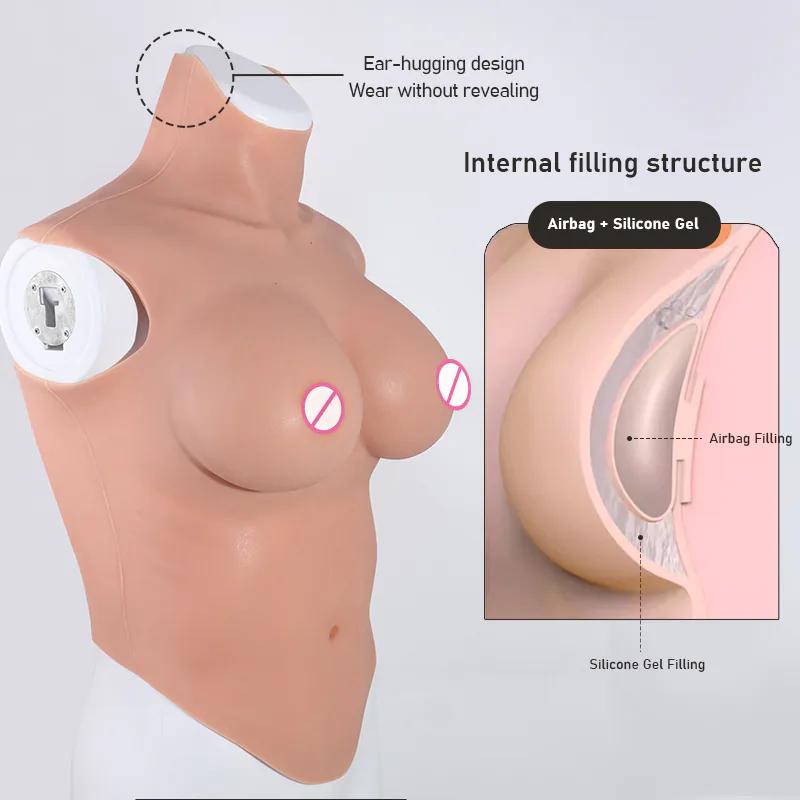
For a practical starting point, browse the silicone hip and butt enhancer collection. If you want a balanced first setup, pair a moderate hip enhancer with the B-E cup round-neck breastplate instead of choosing an extreme lower-body curve.
How to put them on without shifting
Use clean, dry skin and pull on a thin seamless base layer first. Then step into the hip pants slowly and bring both sides up evenly. Once the waistband is in place, run your fingers around the side hip, inner thigh and lower edge so no fabric is folded under the silicone.
Before you judge the look, walk across the room, sit down, stand up and take one normal-distance phone photo. Hip pads can look perfect while standing still but roll slightly when you sit if the size is wrong or the waistband is not flat.
How to hide edges under real outfits
Matte jersey, ponte, stretch denim, lined dresses and flared skirts are forgiving. Shiny lycra, thin white fabric and sheer skirts reveal edges more quickly. If you are testing a new pair, avoid the hardest fabrics until you know how the pads behave on your body.
High-waisted bottoms usually help because the waistband anchors the hip enhancer. A longer top, cardigan or jacket can also break up the side line and make the curve look like part of the outfit rather than an added piece.
When to choose a larger hip enhancer
A larger hip enhancer makes sense for stage, cosplay, photography or a deliberately dramatic hourglass look. For everyday crossdressing, private confidence building or a first outdoor outfit, a moderate curve is usually more believable and easier to wear.
If your upper body is already fuller because of a large breastplate, a larger hip curve can restore balance. If you wear a smaller B or C cup, a subtle hip pad often looks more natural than a very pronounced lower-body shape.
Care and storage
After each wear, hand-wash the silicone with lukewarm water and mild soap. Do not use hot water, alcohol, bleach or rough scrubbing. Pat dry with a soft towel, then let the piece air-dry completely before storage.
Store it flat in a cool place away from direct sunlight, sharp jewelry, zippers and dark clothing dye. Good care keeps the surface smooth and helps the waist and thigh edges keep their shape.
Recommended next step
If you are still unsure, start with the use case rather than the size chart: daily naturalness, quick private try-on, stage impact or realistic full-body detail. The CrossdressForm Explore tool can help you choose that path before you buy.
FAQ
How do I measure myself for silicone hip pads?
Measure your hip circumference at the widest point of your natural hips, usually 7-9 inches below your waist. Then measure your waist and compare the difference. If the difference is small, choose a moderate curve first instead of the largest option.
What is the difference between silicone hip pads and silk cotton hip pads?
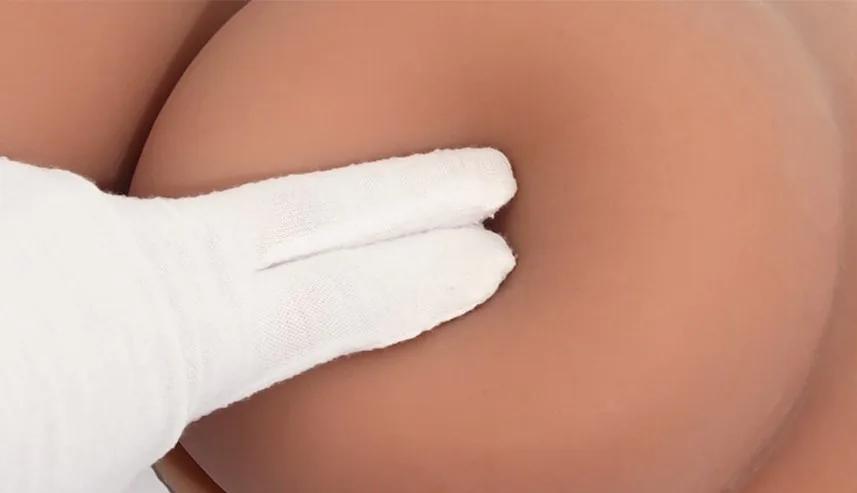
Silicone hip pads add more realistic weight, texture, and movement under clothing. Silk cotton pads are lighter and cooler, but they can look flatter and may shift more easily. Choose silicone for fitted outfits and photos; choose lighter padding for long warm-weather wear.
Will silicone hip pads be visible under leggings or tight skirts?
They can be visible if the edge ends abruptly. For leggings, pencil skirts, and bodycon dresses, half-length silicone hip pants are safer because the curve blends into the upper thigh instead of stopping at the side hip.
How do silicone hip pads stay in place?
Most silicone hip enhancers are built as underwear-style pants, so the waist and thigh openings hold the pads in position. A thin seamless base layer underneath adds friction and helps keep the garment stable while walking or sitting.
Can I wear silicone hip pads all day?
Many people can wear them for several hours, but silicone can feel warm because it covers the hips and thighs. Start with 1-2 hour sessions, check your skin, and take breaks if you feel heat, rubbing, or pressure.
Do hip pads work for a masculine body frame?
Yes. Hip pads are especially useful for narrower hips and broader shoulders because they balance the lower-body line. A moderate curve usually looks more natural than an extreme curve for a first pair.
How do I clean silicone hip pads?
Hand-wash after each wear with lukewarm water and mild soap. Do not use bleach, alcohol, hot water, or rough scrubbing. Pat dry, air-dry completely, and store flat away from heat and direct sunlight.
What outfit types work best with silicone hip pads?
A-line skirts, flared skirts, stretch jeans, lined dresses, and medium-weight jersey usually work well. Very thin, shiny, or sheer fabrics reveal edges more easily, especially with side-only pads.
About the Author
Jun
Product Specialist & Content Writer, CrossdressForm
Jun is a product specialist and lead content writer at CrossdressForm. With five years of hands-on experience in silicone body-shaping products, Jun has helped thousands of crossdressers, transgender women and drag performers choose breastplates, hip enhancers and bodysuits that actually fit. Jun's guides focus on practical sizing, realistic wear tips and first-time buyer confidence, always from the perspective of real-world wear rather than spec sheets.


Leave the first comment
Be the first to share your thoughts. Comments help our community feel seen.