
What Size Breast Forms Should I Get? Complete Sizing Guide
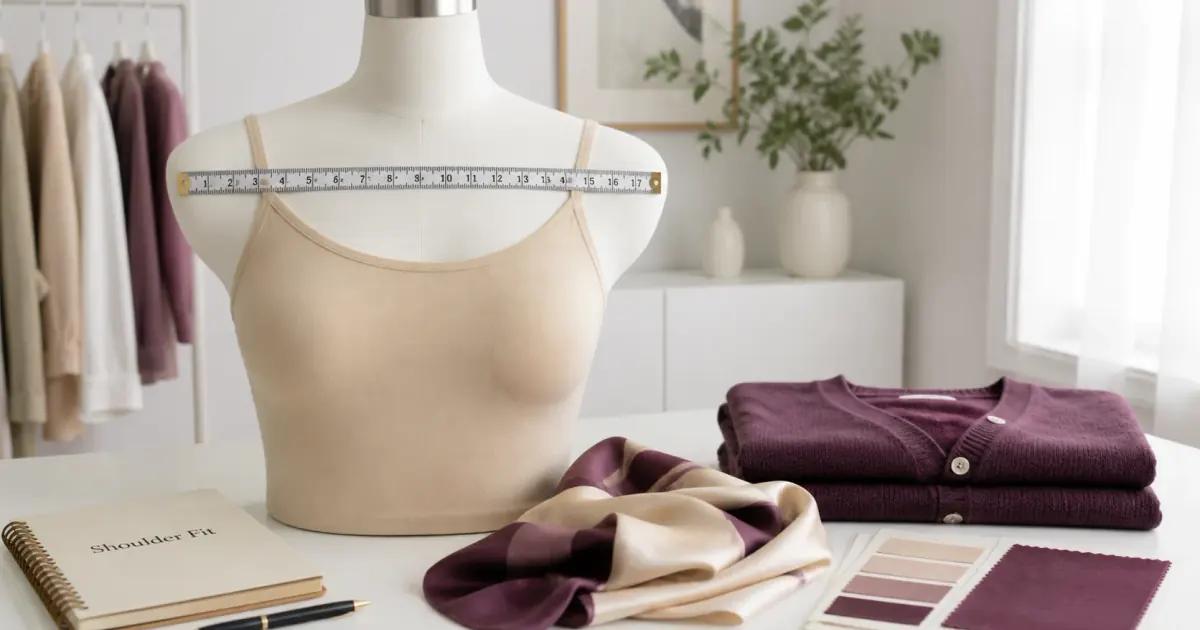
Quick Answer
Measure your underbust band, then choose a breast form cup size that balances your frame, shoulders, outfit, and comfort.
- Measure your band size.
- Choose cup size based on proportion.
- Consider height and shoulder width.
- Match your skin tone.
- Test with a cheaper pair first.
A breast form sizing guide covering band measurement, cup proportions, skin tone, and common mistakes.
One of the most common questions in r/asktransgender: for those with broad shoulders and a larger band size, C cups can look too small, while E cups cause back pain. The search for the "golden ratio" never ends.
The answer isn't a single number — it's a ratio. This guide walks you through measuring, choosing a cup size, and matching skin tone so your forms look natural, not exaggerated.
The Two Most Common Mistakes
Before we get into measurements, here are the two mistakes that come up most often in r/crossdressing:
Mistake 1: Going too big
Heavy forms create back strain within hours. Many users report that larger cup sizes look right in photos but become unwearable after 2-3 hours.
Mistake 2: Going too small
Smaller forms on broad shoulders can look disproportionately small. Many first-time buyers go smaller out of caution and end up buying twice.
The goal is balance — not maximum size, not minimum size.
Step 1: Measure Your Band Size
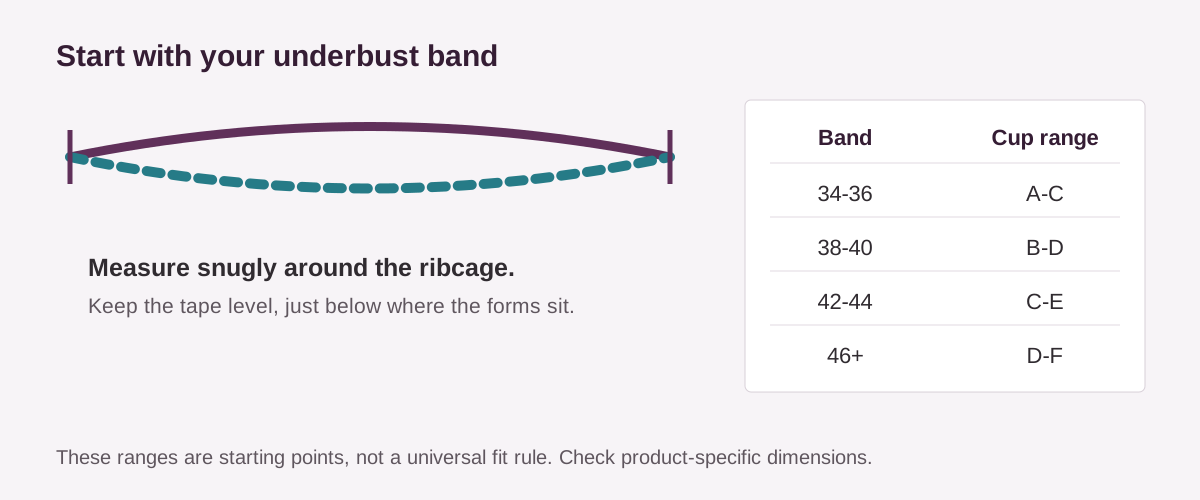
Wrap a soft tape measure around your ribcage, just under where your breast forms will sit. Keep it snug but not tight.
Example: 40 inches = Band size 40
Step 2: Choose Your Cup Size Based on Proportion
The goal is balance. A 40-band chest usually looks natural with a C or D cup. For a 36-band, a B or C cup is proportional.
| Band Size | Recommended Cup Range | Why |
|---|---|---|
| 34-36 | A-C | Smaller frame, smaller forms look natural |
| 38-40 | B-D | Balanced proportions |
| 42-44 | C-E | Larger frame carries more volume |
| 46+ | D-F | Avoid oversized forms; they look disproportionate |
Pro tip: If you want a subtle look, go one cup smaller than you think. If you want a dramatic stage look, go one cup larger.
Step 3: Consider Your Height and Shoulder Width
- Taller / broader shoulders: Larger cup sizes balance your frame
- Shorter / narrower shoulders: Smaller cup sizes look more natural
For a 6'1 frame with a 40-band, a D cup is usually the sweet spot. If you're under 5'6 with a 34-band, a B cup will look more natural than a D.
Step 4: Match Your Skin Tone
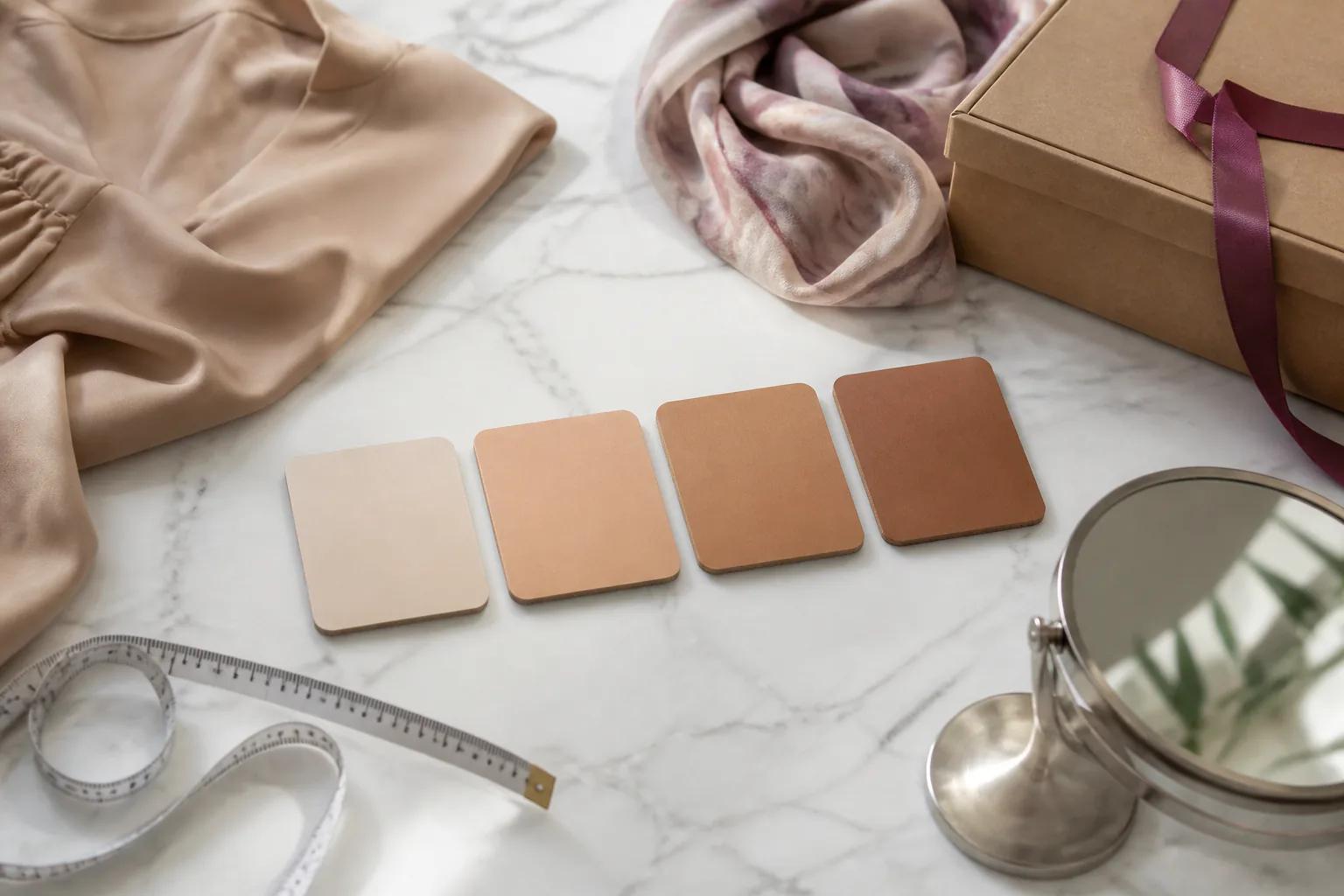
Silicone forms come in 4-6 standard tones:
- Ivory: Very fair skin
- Beige: Light to medium
- Light Brown: Medium to olive
- Brown: Deep skin tones
If you're between tones, go one shade darker — it blends better with shadows.
Step 5: Test Before You Commit
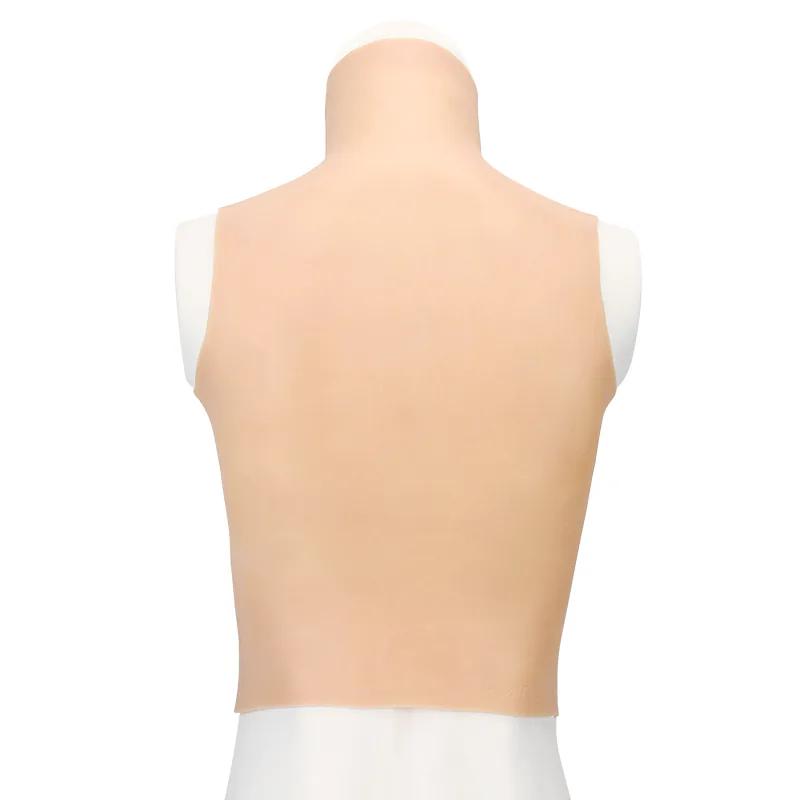
If you're unsure, start with a cheaper pair of chicken cutlets (silicone bra inserts) to test the size. Once you know what looks right, invest in a full breastplate.
For a deeper look at the fit differences between styles, see our breastplate size guide.
Frequently Asked Questions
How do I know if my breast forms are too big?
If they extend past your shoulders or look disproportionate to your hips, they're too big. Balance is key.
What size breast forms for a 40-inch band?
C or D cup is usually the sweet spot for a 40-band. Start there.
Can I wear breast forms without a bra?
Yes, with adhesive or a pocket bra. For daily wear, a pocket bra is more comfortable and secure.
Still Unsure?
We offer a free sizing consultation via Telegram. Send us your measurements, and we'll recommend the right size — no pressure, no sales pitch.
Or shop our B-E Cup Magic Tape Breastplate — one of our most popular sizes for first-time buyers.
About the Author
Jun
Product Specialist & Content Writer, CrossdressForm
Jun is a product specialist and lead content writer at CrossdressForm. With five years of hands-on experience in silicone body-shaping products, Jun has helped thousands of crossdressers, transgender women and drag performers choose breastplates, hip enhancers and bodysuits that actually fit. Jun's guides focus on practical sizing, realistic wear tips and first-time buyer confidence, always from the perspective of real-world wear rather than spec sheets.


Leave the first comment
Be the first to share your thoughts. Comments help our community feel seen.